Jiangsu Vetex Composite Materials Co., Ltd
← All products

INDUSTRIAL COATED TEXTILE · STANDARD + CUSTOM

Silicone Coated
Fiberglass Fabric

Standard references and custom constructions for industrial heat, fire and flexible-protection applications.

Specify the material around the way your product will be fabricated and used—not finished weight alone.

OEM / private labelTrial orders supportedSingle / double side
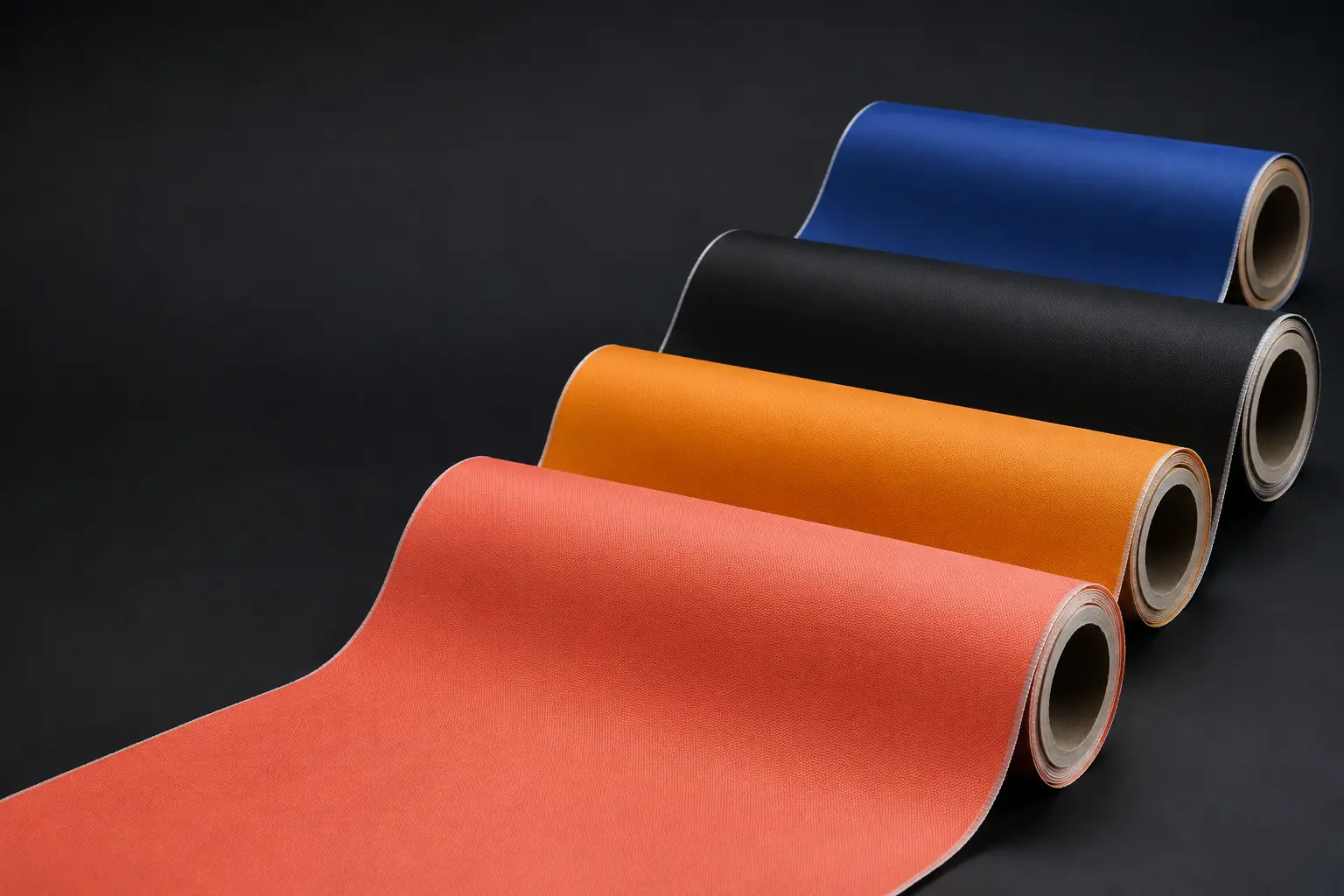
Silicone coated fiberglass fabric rolls in salmon, orange, black and blue
VETEX MATERIAL RANGE · SILICONE COATED FIBERGLASS
FINISHED WEIGHT200–3000 g/m²
THICKNESS0.2–2.0 mm / custom
WIDTH1.0–2.0 m / custom
COATINGSingle or double side
COLORSStandard / custom
01REFERENCE CONSTRUCTIONS

Compare practical starting points

Non-proprietary references help buyers begin a discussion. Final construction is confirmed against the application, base fabric, coating level and required mechanical performance.

Reference constructionIndicative finished weightIndicative thicknessTypical positioning
Lightweight reference01approx. 510–570 g/m²approx. 0.40 mmFlexible covers and general industrial protection
Medium-weight reference02approx. 840 g/m²approx. 0.65 mmWelding, insulation and flexible connections
Heavy-duty reference03approx. 960–1150 g/m²approx. 0.70–0.85 mmExpansion joints, insulation and fabricated products
Before productionFinal construction, tolerances and coating weight are confirmed against the approved specification or sample.
02APPLICATION SELECTOR

Start with the duty—not a product code

Each use case changes what matters in the base fabric, coating level, sidedness and handling.

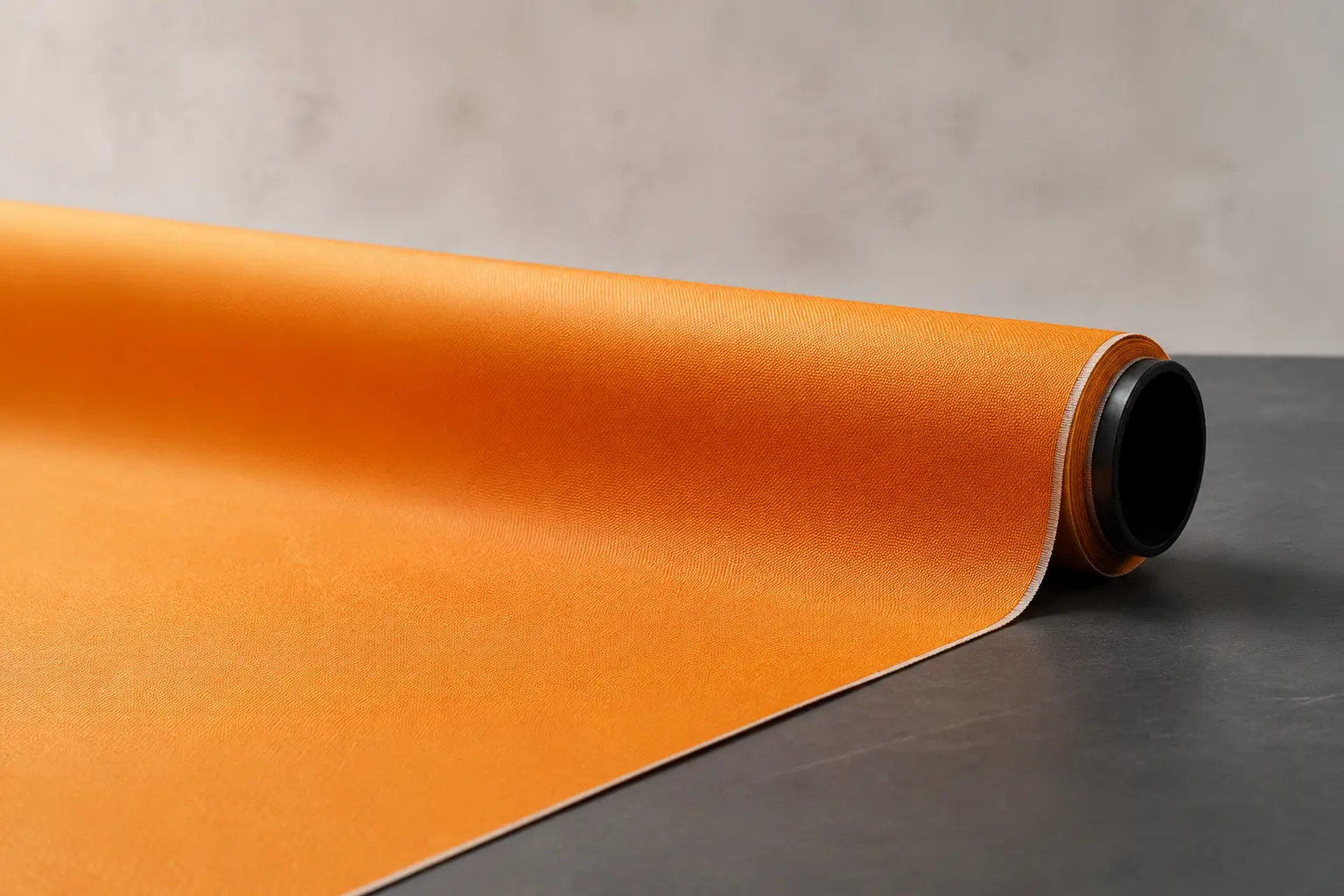
Orange silicone coated fiberglass roll showing the coated surface and woven edge
NOT SURE WHERE TO START?

Tell us what you are making.

01SPARK · SPATTER · ABRASION

Welding blankets

BUYER SHOULD CONSIDER
  • Spark and spatter intensity
  • Vertical or horizontal use
  • Contact with hot slag
  • Flexibility and abrasion frequency
TYPICAL STARTING CONSTRUCTION

Start with a medium-weight silicone coated fiberglass construction with good flexibility. Repeated use may require a heavier base fabric and higher coating content.

For severe molten-metal or very-high-heat exposure, evaluate vermiculite-treated fiberglass or high silica fabric instead of simply adding more silicone.
03CONSTRUCTION DECISION

Single-side vs double-side coating

Do not select sidedness only by price. Choose according to fabrication and which surfaces are exposed.

01SINGLE-SIDEONE SURFACE PROTECTED
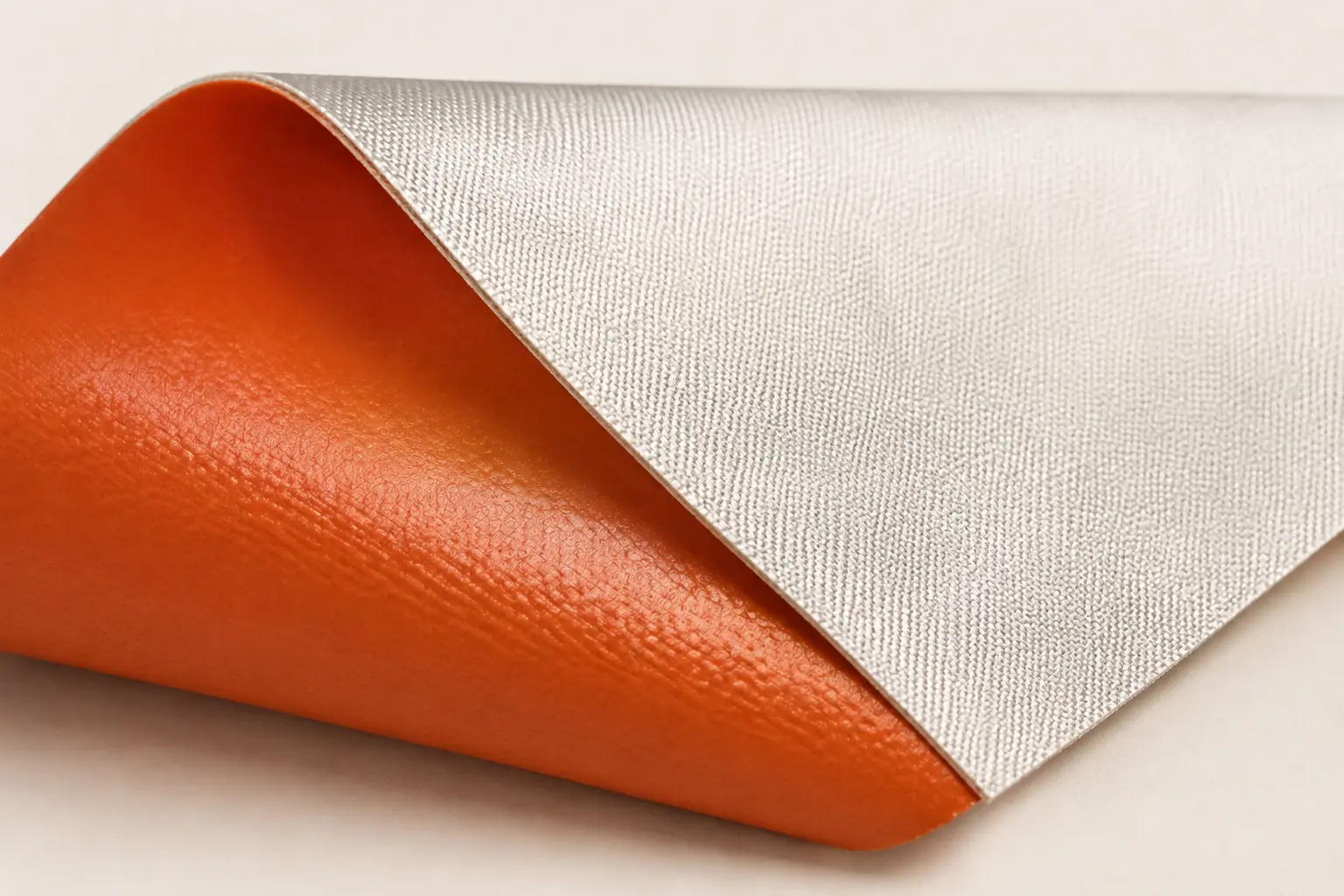
Single-side silicone coated fiberglass showing an orange coated face and white uncoated reverse

Single-side coated

SURFACE ASilicone coatedSURFACE BUncoated fiberglass
  • Only one surface requires protection
  • Lower finished weight is preferred
  • The untreated side is incorporated into another structure
02DOUBLE-SIDEBOTH SURFACES EXPOSED
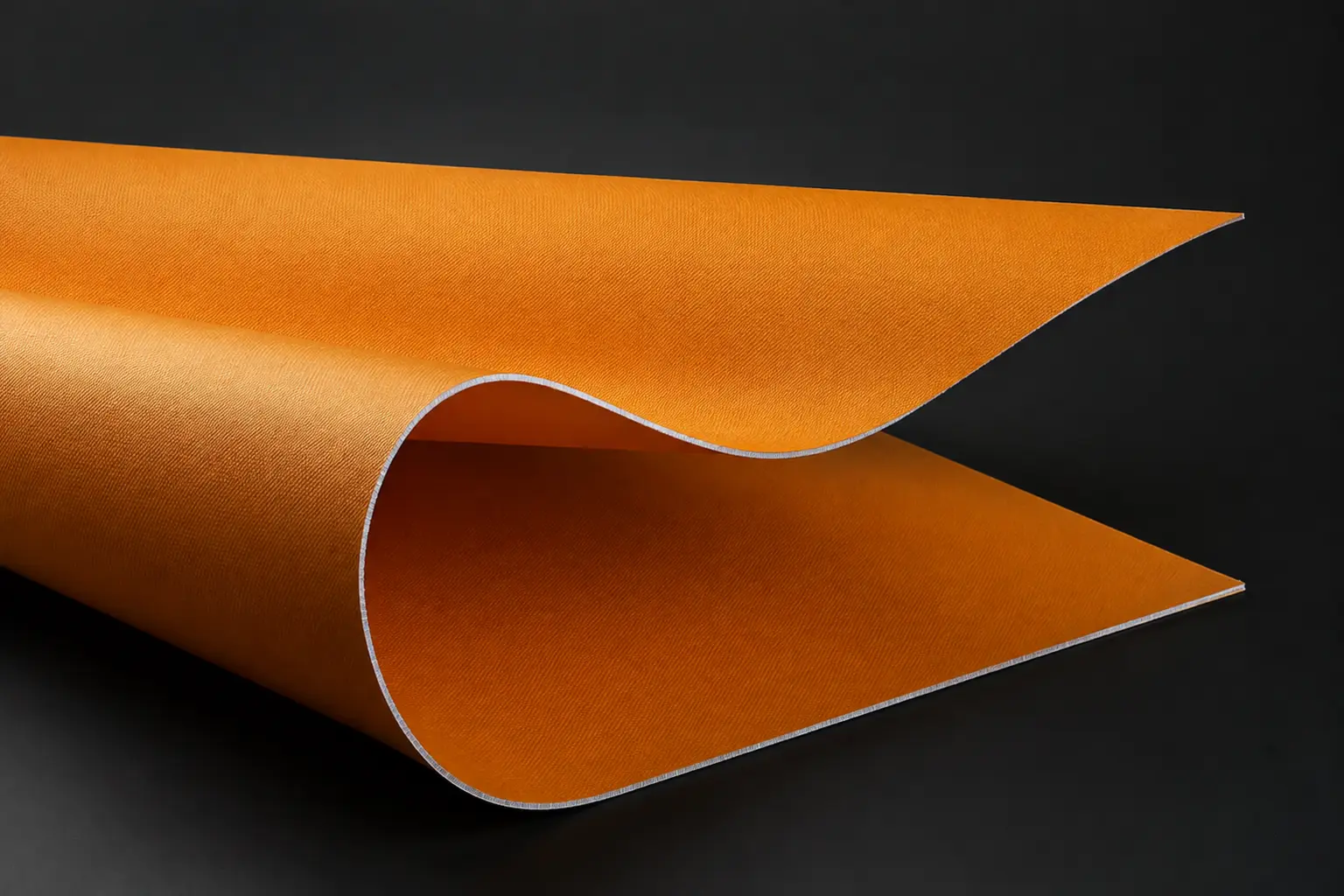
Double-side silicone coated fiberglass folded to reveal orange coating on both faces

Double-side coated

SURFACE ASilicone coatedSURFACE BSilicone coated
  • Both sides are exposed
  • Improved handling and abrasion resistance are required
  • Additional surface sealing is preferred
04COATING LEVEL

More silicone is not automatically better

A higher coating weight can improve surface coverage, abrasion resistance and sealing, but may increase cost, finished weight and stiffness.

Review my requirement →
LOWER COATINGHIGHER COATING
  • Can improve coverage · abrasion resistance · sealing
  • May increase cost · finished weight · stiffness
  • May affect flexibility · sewing · fabrication
05TEMPERATURE CLARIFICATION

Evaluate the coating and substrate separately

The fiberglass substrate and silicone coating do not have the same service limits. VETEX confirms suitability against the buyer's approved data and operating conditions.

SILICONE COATINGFORMULATIONConfirm against service conditions
E-GLASS SUBSTRATECONSTRUCTIONConfirm as part of the complete system
ACTUAL SUITABILITY DEPENDS ONCoating formulationExposure durationDirect flame / radiant heatMechanical loadAtmosphereRequired service life
06STANDARD + CUSTOM

Build the construction around your requirement

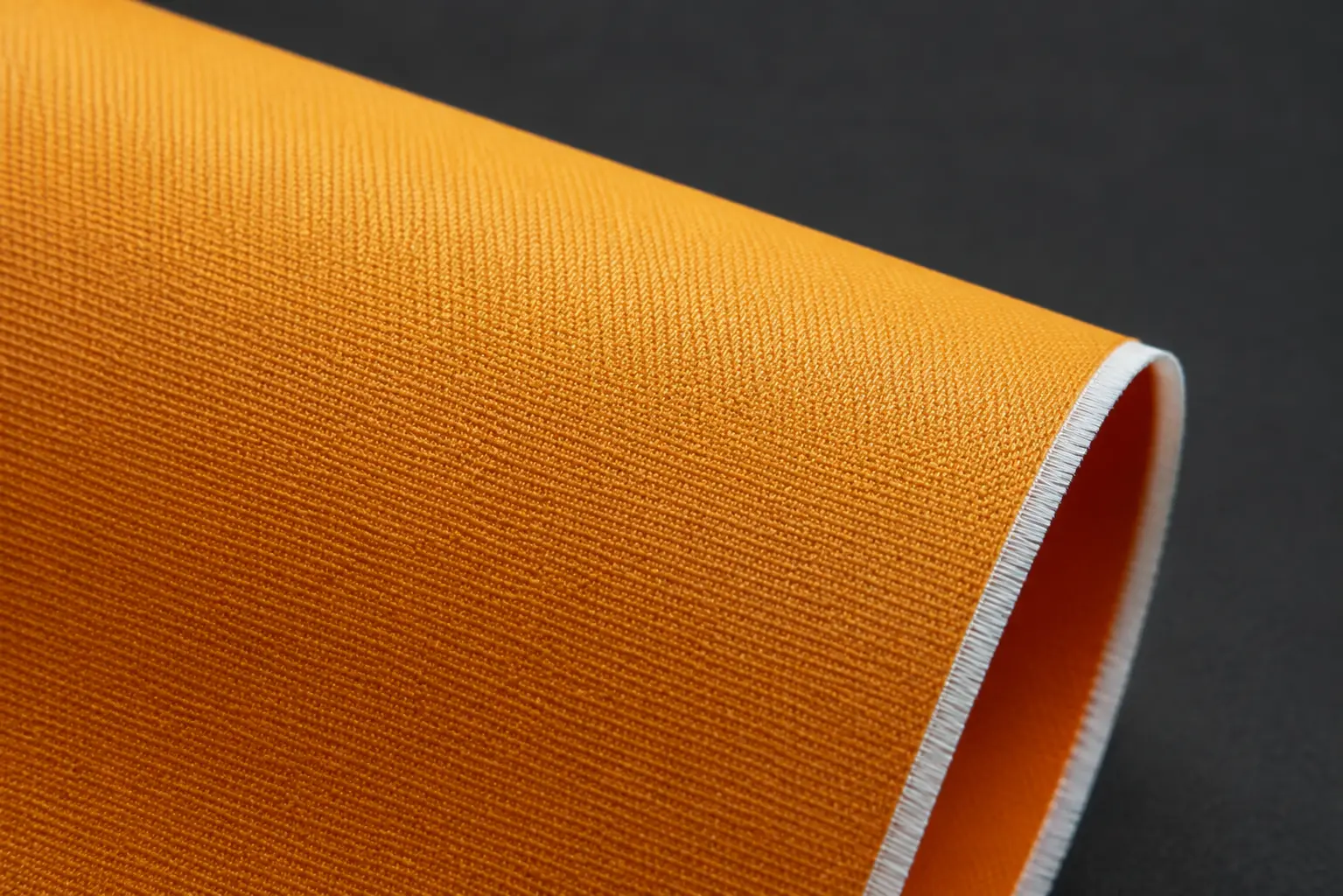
Close-up of orange silicone coated fiberglass showing the woven reinforcement and cut edge
VETEX MATERIAL DETAIL · ORANGE
Base fabricE-glass woven fiberglass selected for the application
CoatingSilicone rubber
Coating sideSingle side / double side
Finished weight200–3000 g/m²
Thickness0.2–2.0 mm / custom
Width1.0 / 1.2 / 1.5 / 1.8 / 2.0 m / custom
ColorGrey / red / black / white / orange / salmon / blue / custom
Roll lengthStandard or custom
PackagingRoll packing / export packing / custom
OEMAvailable
07BUYER QUALITY CHECK

Same gsm does not mean the same performance

Compare the complete construction—not only the headline finished weight.

01

Coating uniformity

02

Pinholes

03

Finished-weight tolerance

04

Fabric flatness

05

Flexibility

06

Surface condition

07

Batch consistency

PURCHASING & SPECIFICATION

Qualify the fabric on your production line.

Compare the base cloth, coating and finished surface separately, then assess them together in your final product.

Start with what you are buying for

Insulation-jacket manufacturers

Identify hot and cold faces, outdoor exposure, oil or cleaning contact, sewing requirements and maintenance handling.

Joint & connector fabricators

Specify layer position, movement, medium, pressure and the required sealing assessment of the assembled component.

Include in your RFQ

  1. 01

    Base cloth + coating

    Send weave, base weight, coating weight per side, finished weight and thickness with tolerances where known.

  2. 02

    Surface & fabrication

    Define single or double side, color reference, surface feel, pinhole acceptance, cutting and sewing requirements.

  3. 03

    Service conditions

    Describe heat duration, moisture, oils or chemicals, abrasion and movement. Identify any required test method.

  4. 04

    Like-for-like trial

    Provide the current datasheet or sample, usable width, roll length and quantity. Agree acceptance checks before switching suppliers.

EQUIVALENT / SECOND-SOURCE EVALUATION

Need an alternative to your current specification?

Send the existing datasheet, current grade or physical sample details. VETEX will compare the base fabric, coating side, finished weight, thickness, width, surface and required testing.

01Existing specification02Physical sample03Target performance04VETEX evaluation

BEFORE QUOTATION

Help us quote the right construction.

Provide what you know. If details are missing, start with the application and VETEX can recommend a construction for evaluation.

Useful attachmentsExisting datasheetFabric photoProduct codeDrawing
11 · Attach documents in your email application

This page prepares an email draft; it does not upload files. Add the actual datasheet, drawing or fabric photo before sending to sales@vetexcomposite.com.