Select the right textile by exposure, not temperature alone.
VETEX helps industrial buyers specify fiberglass fabrics, coated textiles and fire-protection products around the heat, sparks, slag, abrasion and fabrication requirements of the job.
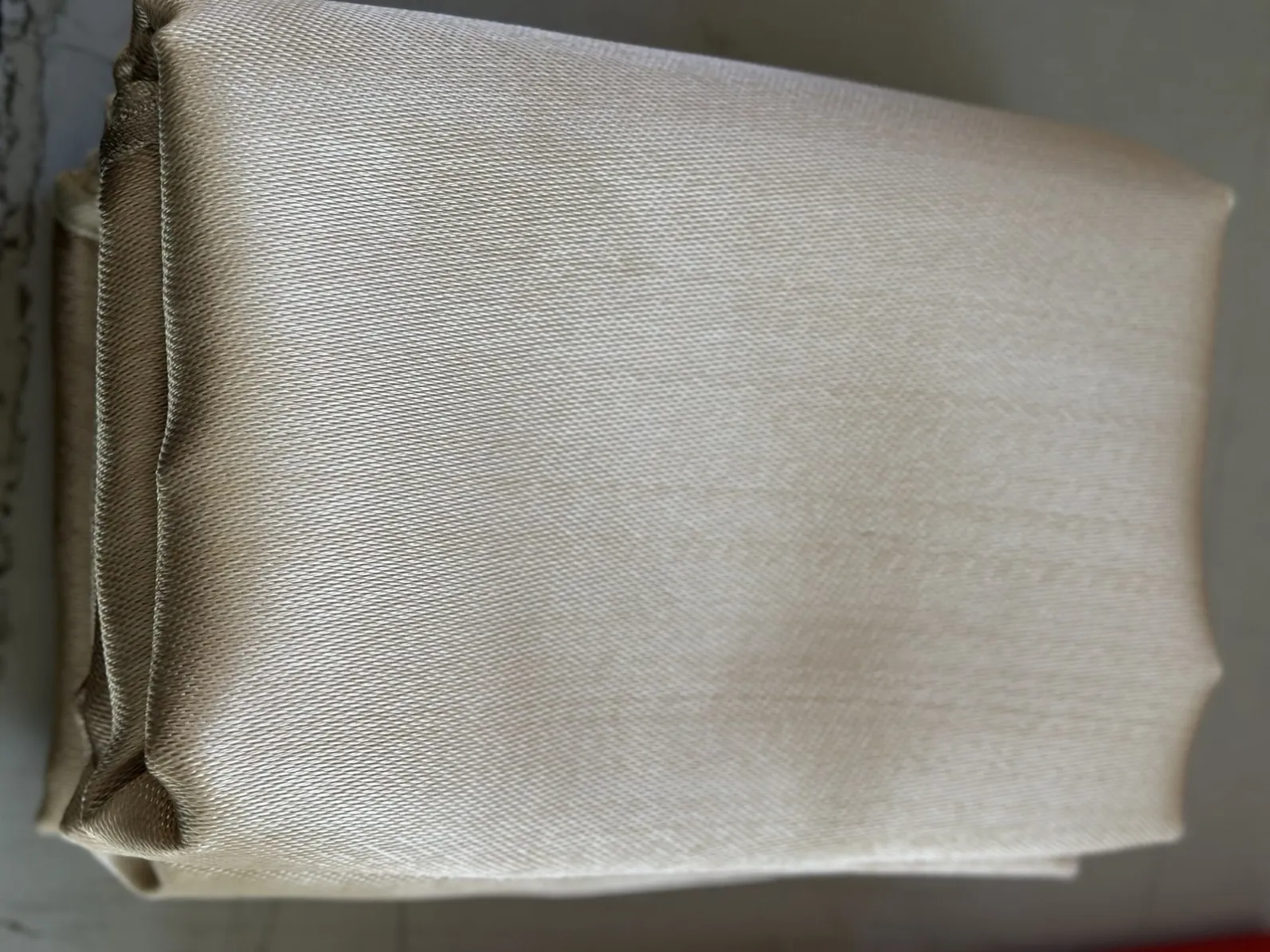
VETEX helps industrial buyers specify fiberglass fabrics, coated textiles and fire-protection products around the heat, sparks, slag, abrasion and fabrication requirements of the job.
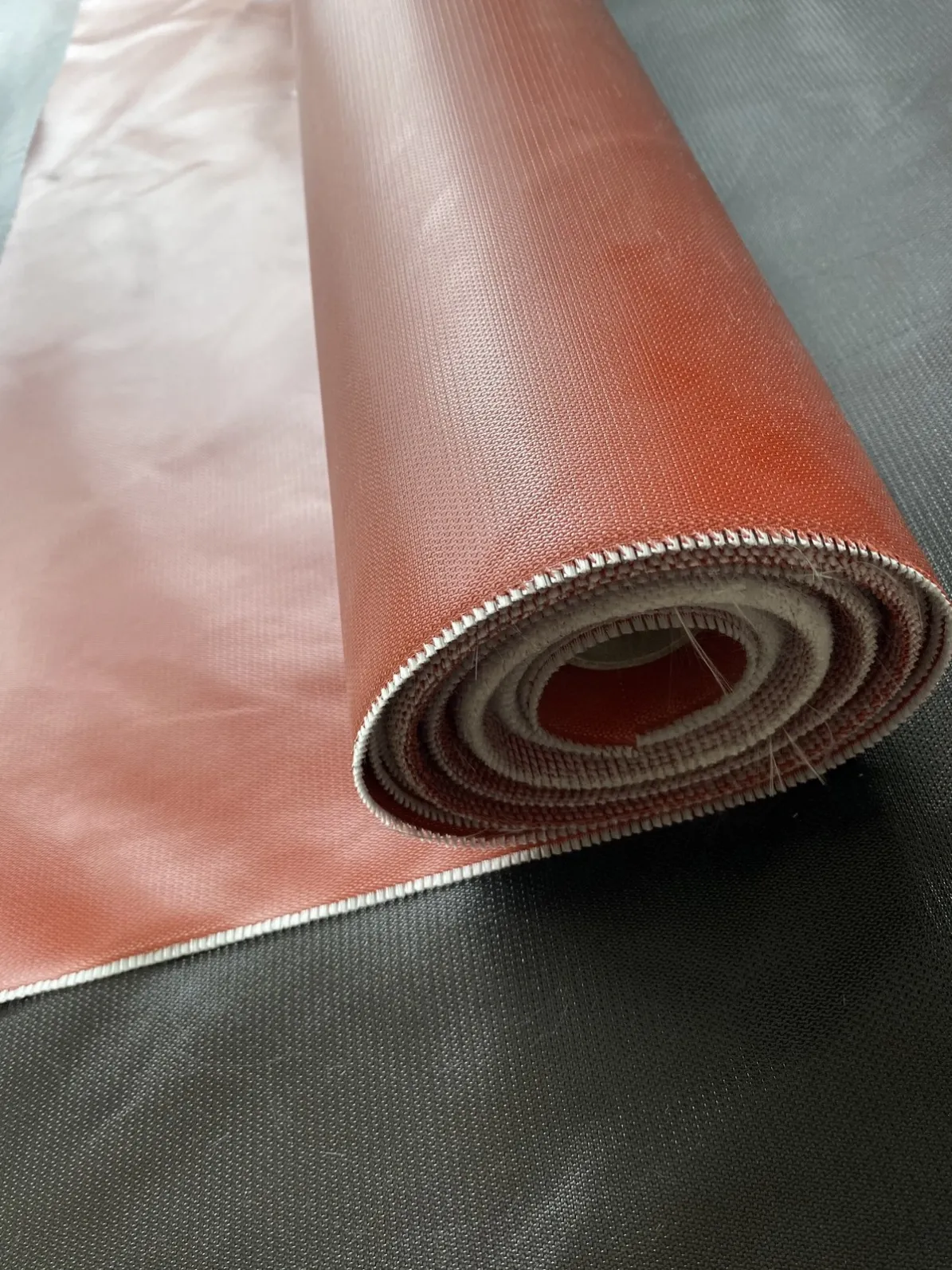
The right construction depends on what the material will face and how the finished product will be made. Start with the application; then confirm the base fabric, weight, thickness, coating and test requirements.
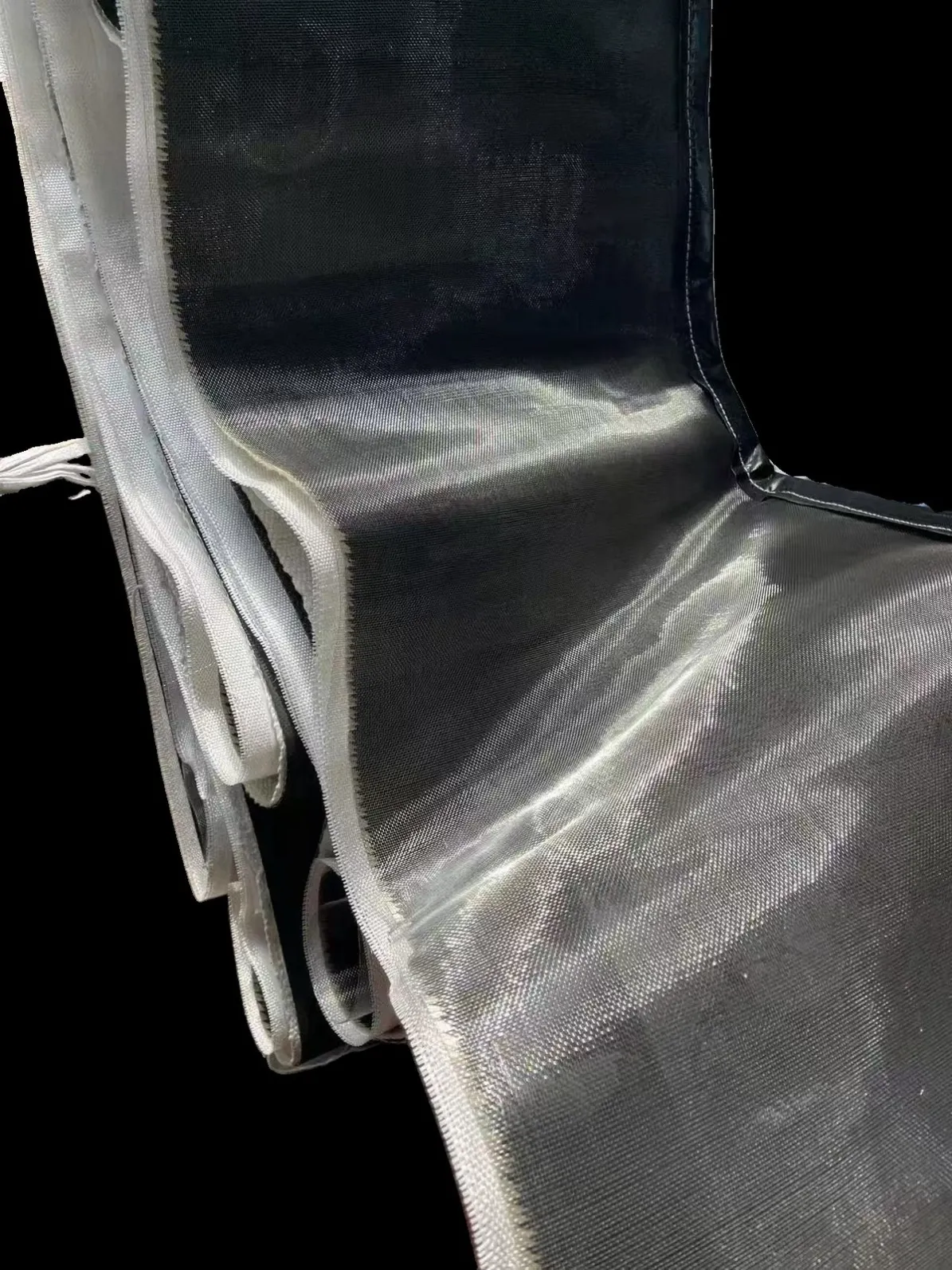
Compare fabric and finished blanket constructions for sparks, slag, abrasion and handling.
Discuss blanket size, material system, handles, storage and market-specific test requirements.
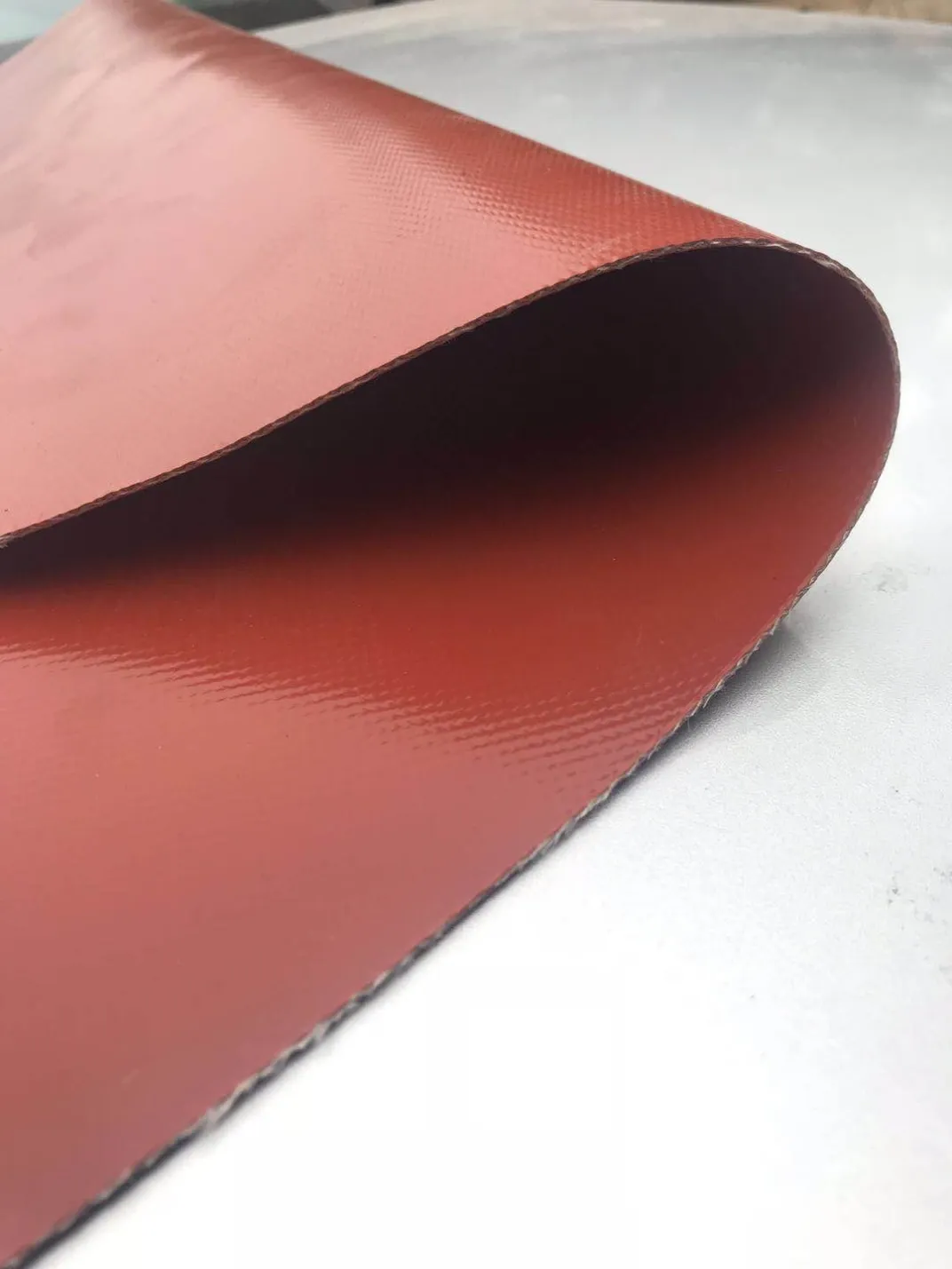
Specify the substrate, coating or laminate, sides, finished weight and width.
Build a layered construction around temperature, media, movement and installation details.
From woven base cloth to coated rolls and finished protection products, VETEX can discuss the construction details that affect fit and performance.
Fresh inventory is highlighted first, with category filters available on the full shop page.
View All Products
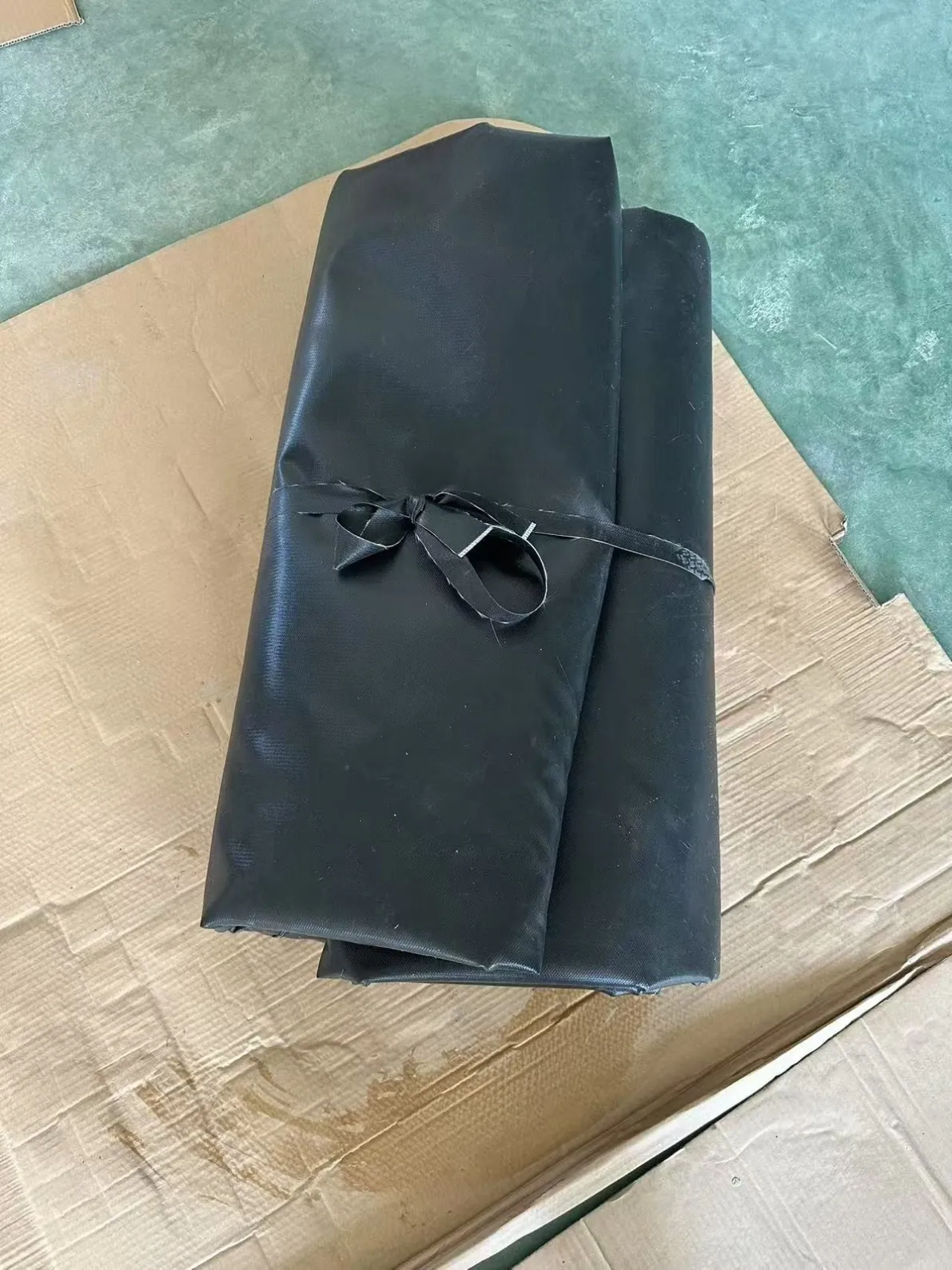
Compare fiberglass, silicone-coated and high-silica car and EV fire blanket options. Discuss dimensions, handles, storage and test requirements with VETEX.

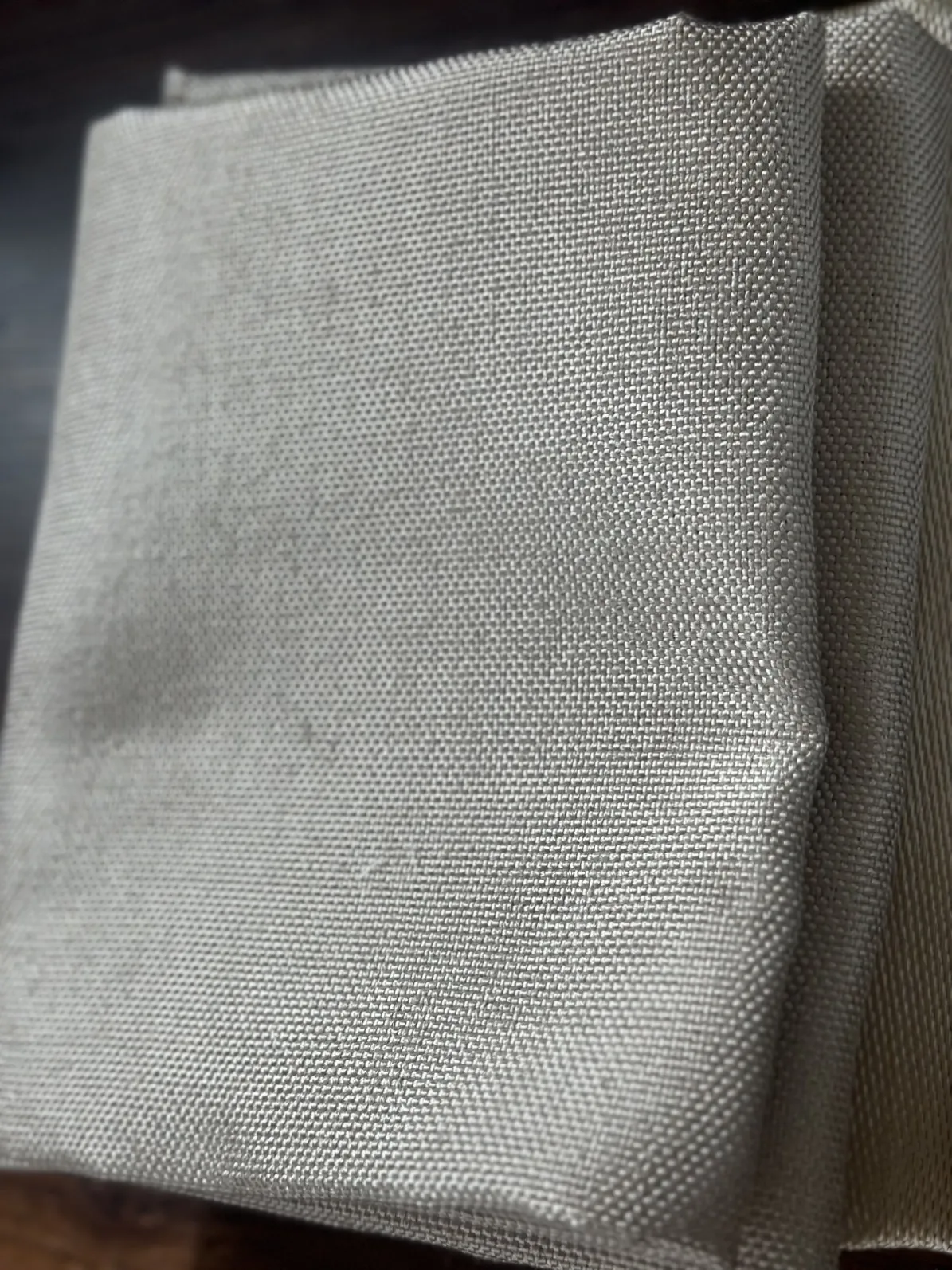
Configure welding blankets by sparks, slag, abrasion, orientation and finished construction. Compare fiberglass, coated, medium-silica and high-silica options.

Single or double side. One approved construction.

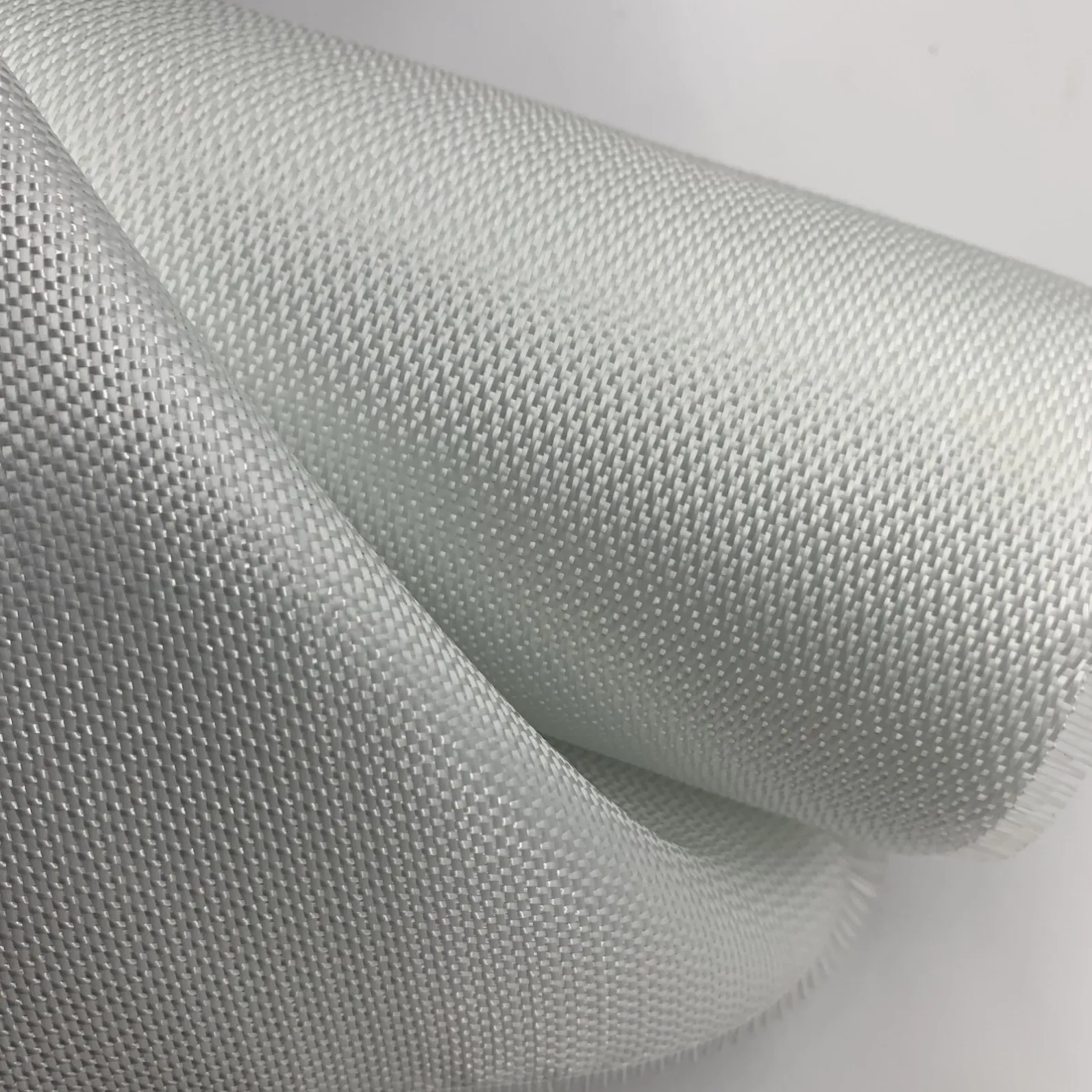
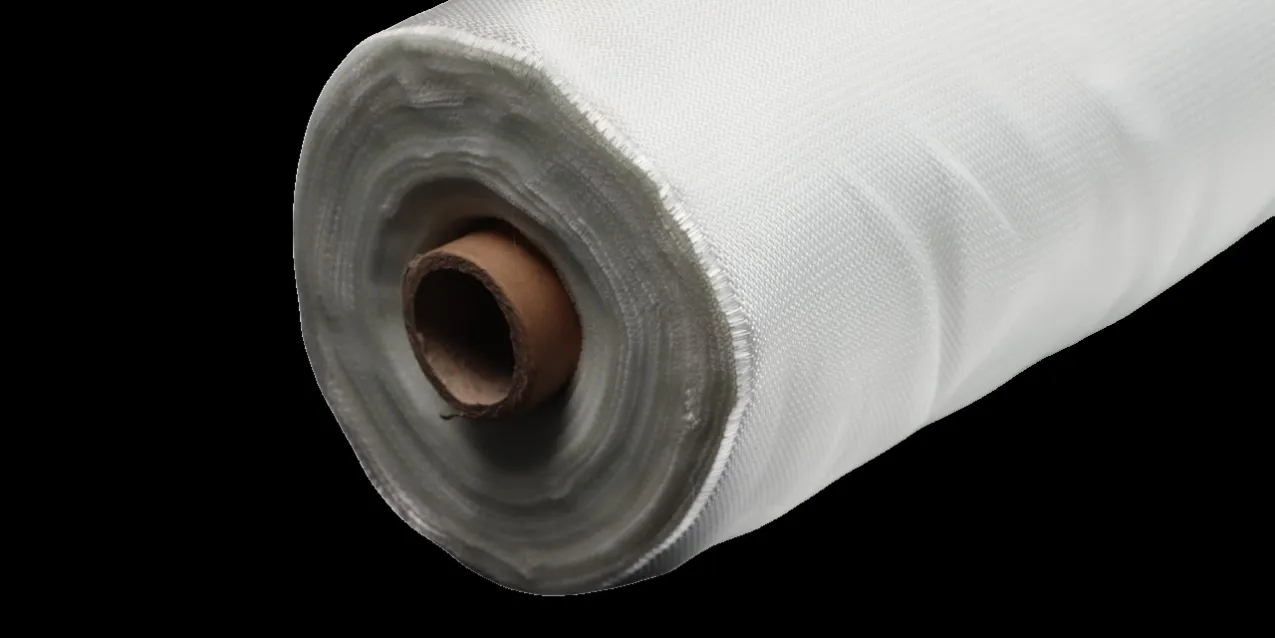
Explore woven E-glass fiberglass fabrics for coating, lamination, insulation, welding protection and industrial converting. Request model-specific technical data.

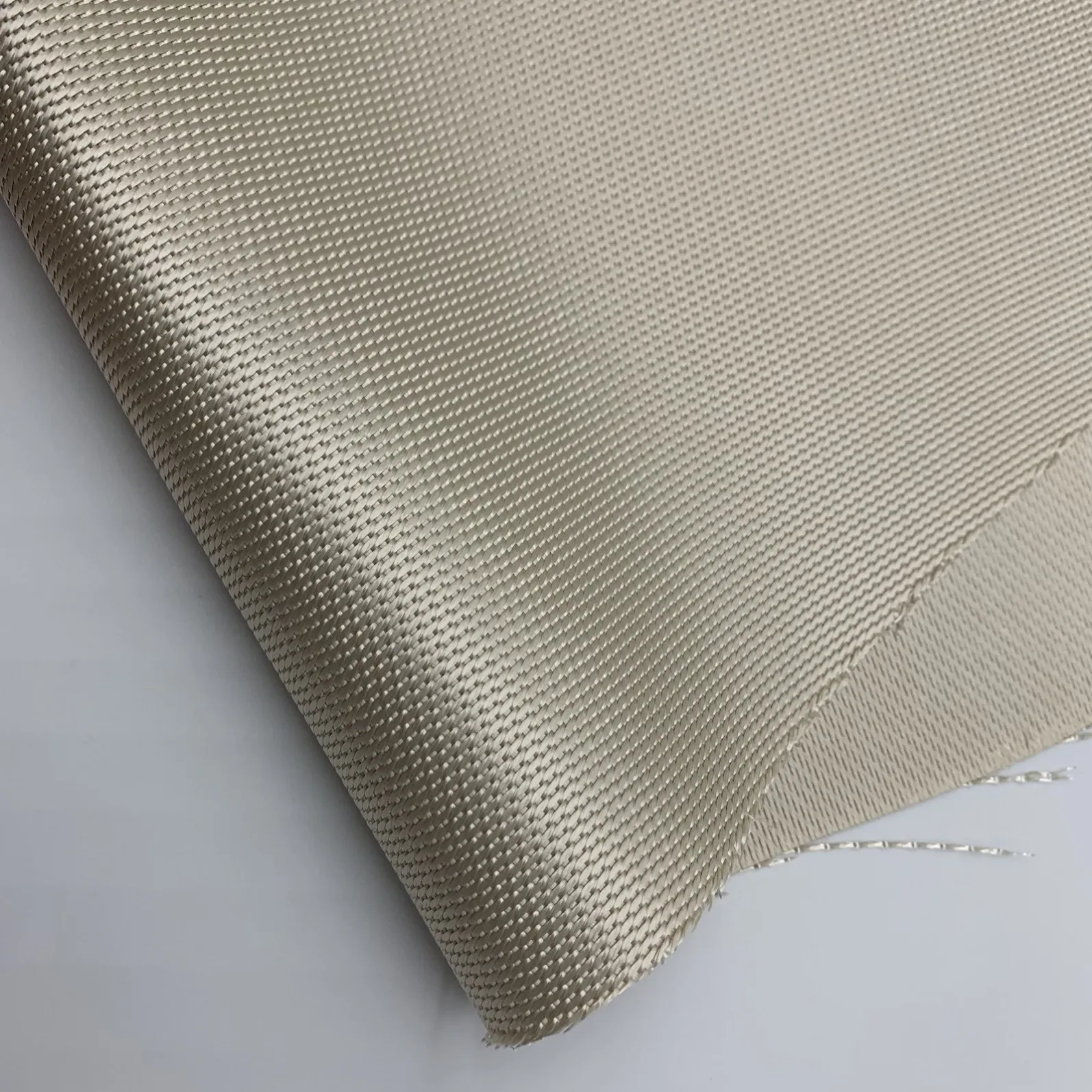
Review VETEX high-silica fabric grades by weight, weave, thickness and width. Confirm temperature and slag exposure against the exact construction and test conditions.

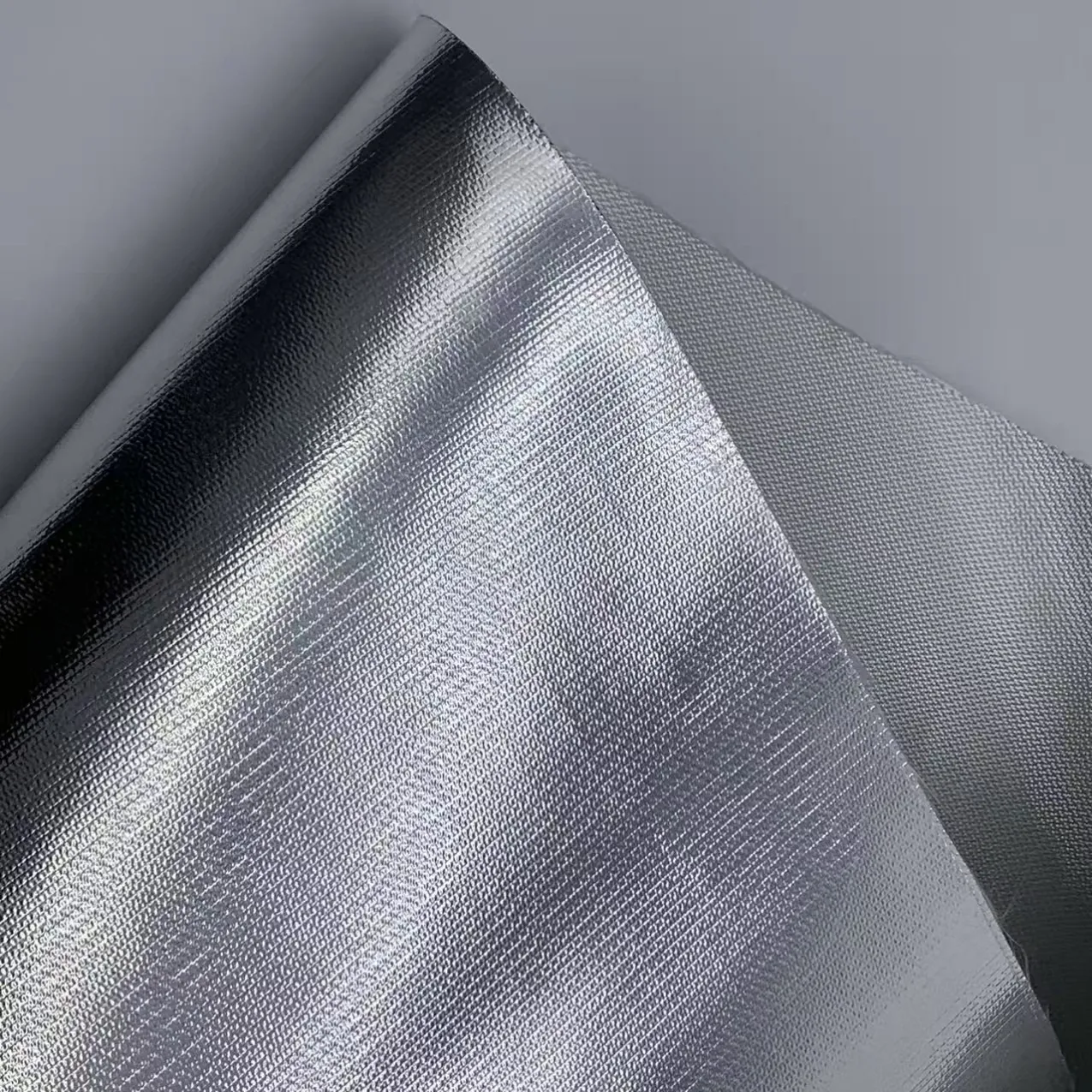
Explore aluminum-foil laminated fiberglass constructions by substrate, foil thickness, adhesive, finished weight and width for thermal insulation applications.
Tell us about heat, sparks, slag, abrasion, chemicals, movement, orientation and expected contact time.
Select the base fabric, finished weight, thickness, coating or laminate, width and finishing details.
Identify the standard, test method, drawing or acceptance criteria required for your market or project.
VETEX can outline a preferred construction and an alternative for your review. Final suitability depends on the confirmed specification and test scope.
Start with a sample or a first market test, then scale the specification as demand develops.
Discuss trial quantities, mixed product orders, custom dimensions, drawing-based fabrication and private-label packaging with Aline.
Review published fabric and coated-fabric data by model. Values apply to the listed construction and test conditions; they should not be transferred to a different substrate, coating or finished assembly.
Stories and guides

When selecting HT800 materials, price is often the first factor buyers consider. However, the differences in manufacturing processes, texture, and appearance between low-cost and higher-grade HT800 ca

Single vs Double-Side Silicone Coated Fiberglass Fabric

Non-metallic expansion joints need gas-tight, flex-fatigue fabric. Here is how VETEX specifies silicone coated fiberglass for compensators — and the media where silicone must not be used.

I’m Aline at VETEX. Tell me what the material needs to do, where it will be used and which details are already fixed. I’ll help organize the specification and identify the questions to resolve before quotation.