Jiangsu Vetex Composite Materials Co., Ltd
All products

VETEX / 02—07

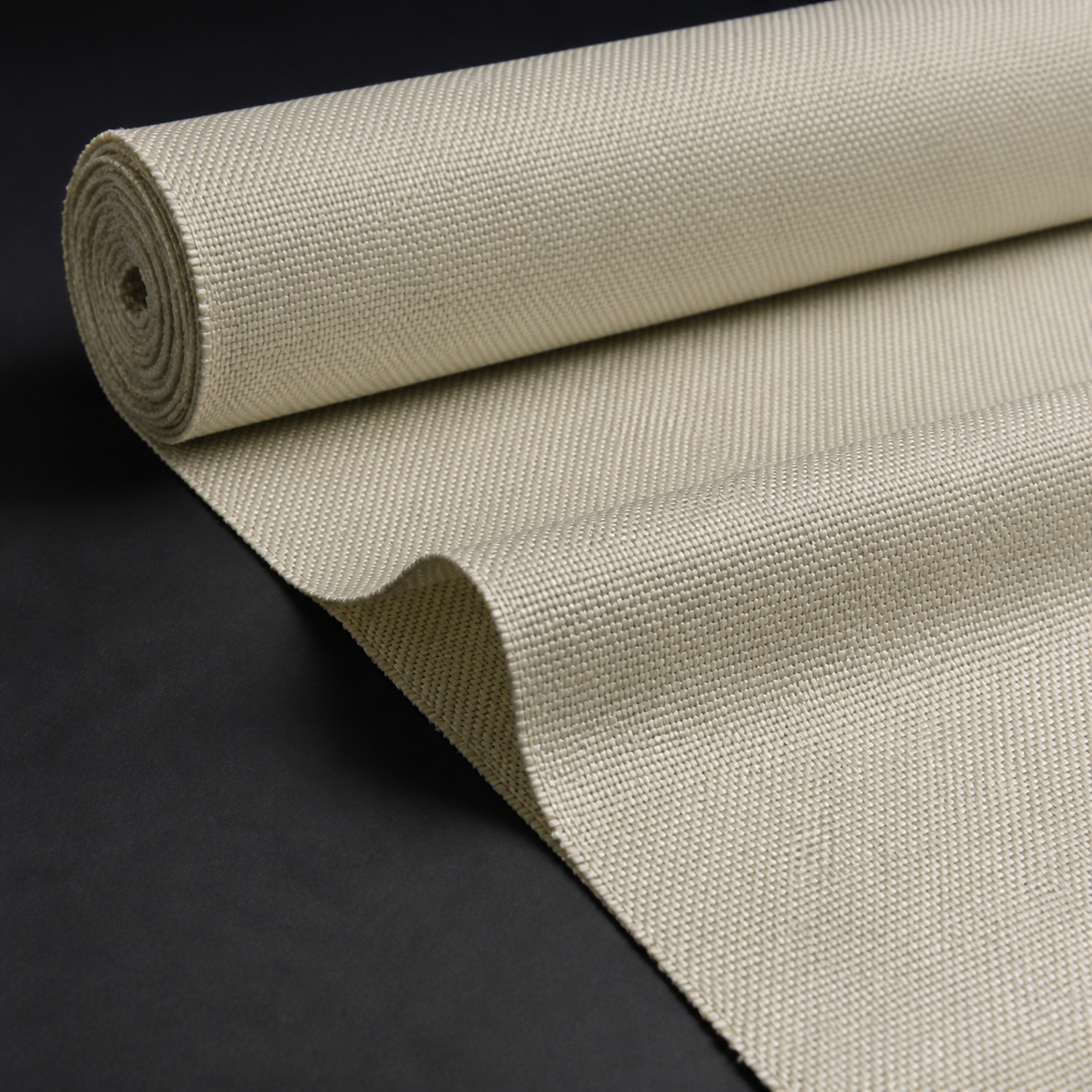
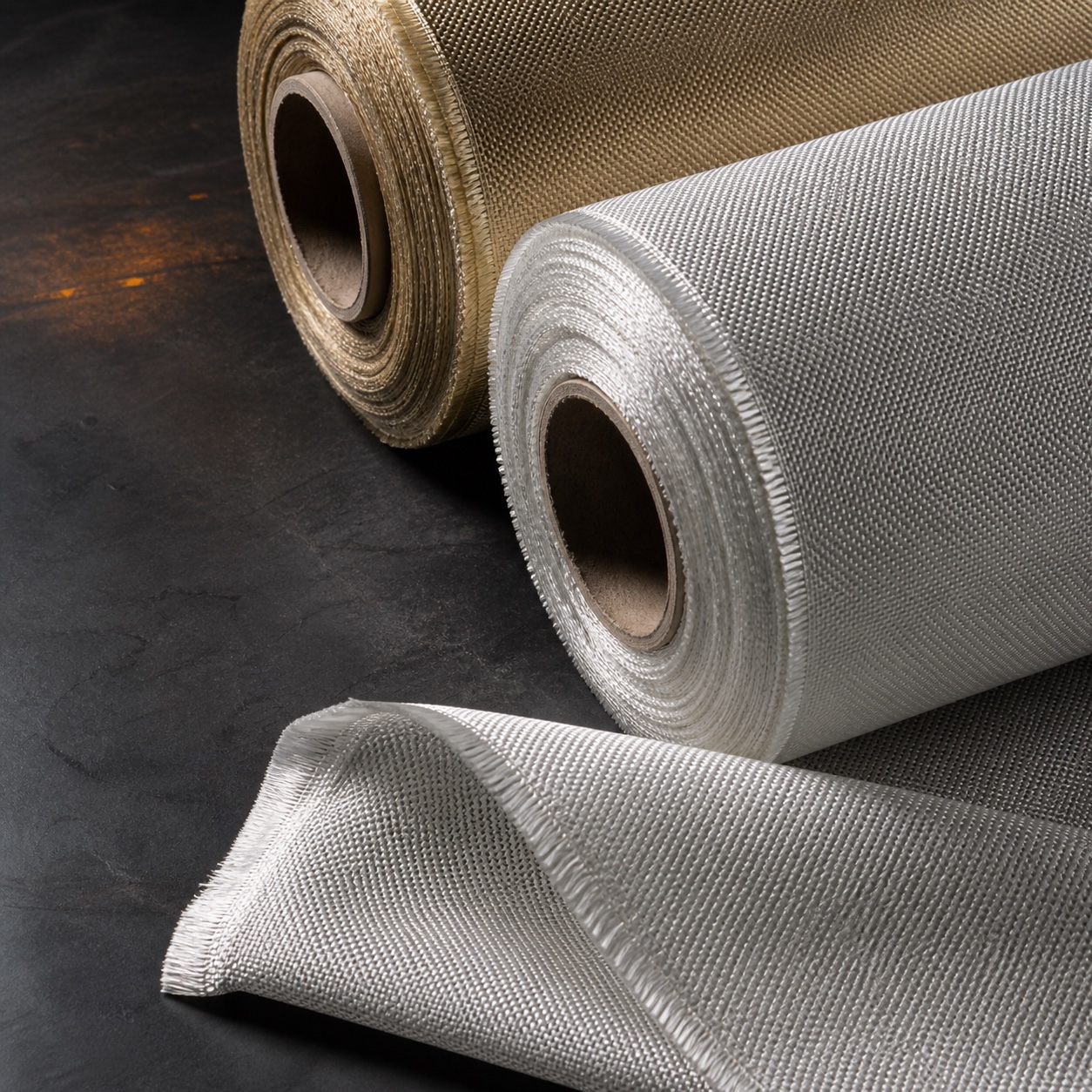
Texturized Fiberglass Fabric

Bulked yarn structure for insulation, sealing and thermal barriers.

Request a quote
Texturized Fiberglass FabricTexturized Fiberglass Fabric

Product overview

Continuous fiberglass yarn is texturized before weaving, creating a thicker, more flexible textile with strong coverage and thermal insulation performance.

Construction guide

Built around three decisions.

Base materialTexturized E-glass yarn
Duty600–1,800 g/m²
Format40–85 in

Technical data

Technical data

Weight
600–1,800 g/m²
Thickness
0.75–2.30 mm
Width
40–85 in
Material
Texturized E-glass yarn
Testing / standards
Reports on request

Reference data is not an approved order specification. Confirm material, dimensions, tolerances, performance and report scope for the proposed construction before ordering.

StyleWeaveWeightThicknessWidth
2025Plain600 g/m²0.75 mm40–85 in
2626Twill950 g/m²1.00 mm40–85 in
M35Plain1,200 g/m²1.30 mm40–85 in
M52Double plain1,800 g/m²2.30 mm40–85 in

Why this construction

Why this construction

  • 01Low density with strong coverage
  • 02Good heat and chemical resistance
  • 03Flexible for wrapping and gasket work
  • 04Available for coating and further fabrication

Typical applications

Typical applications

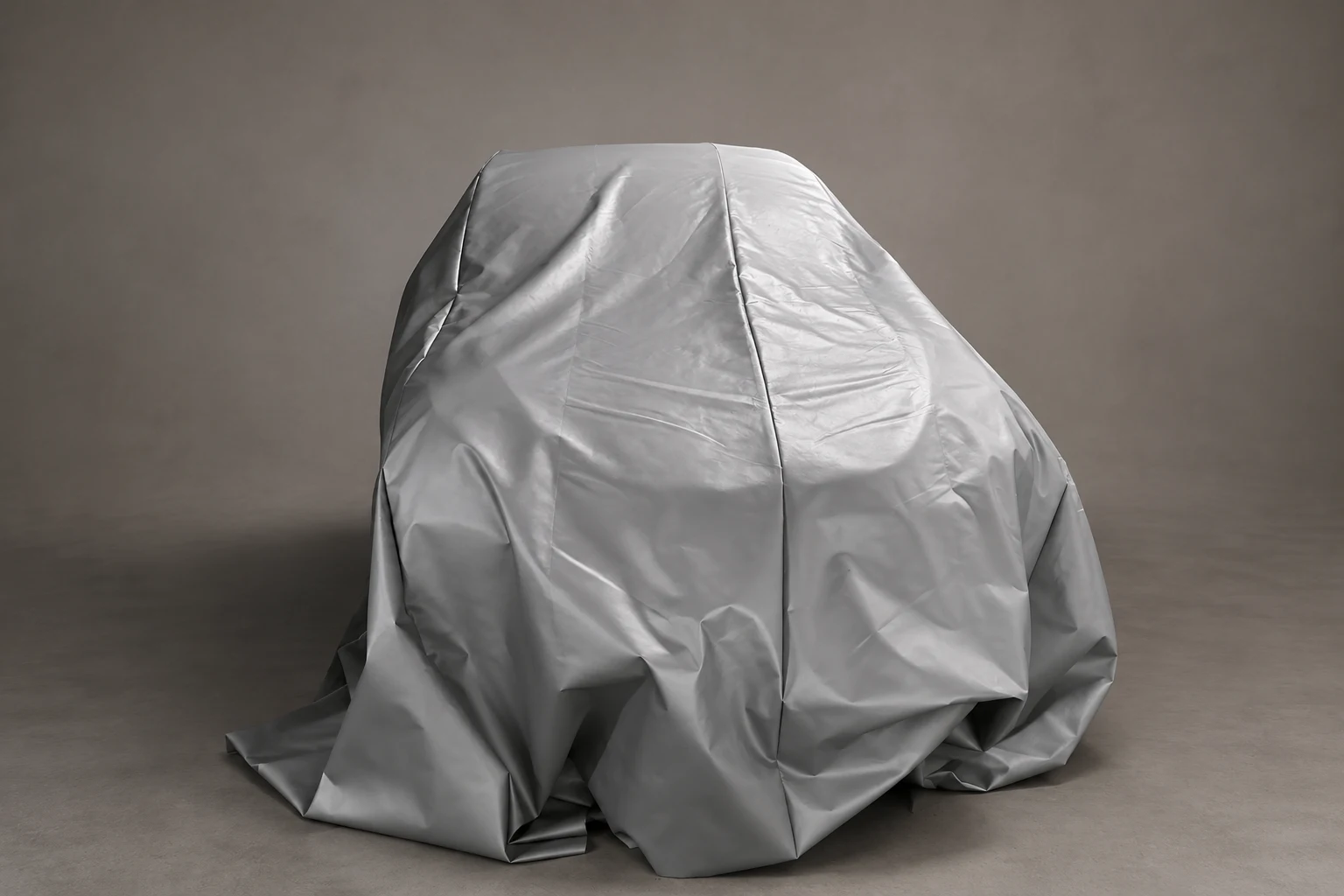
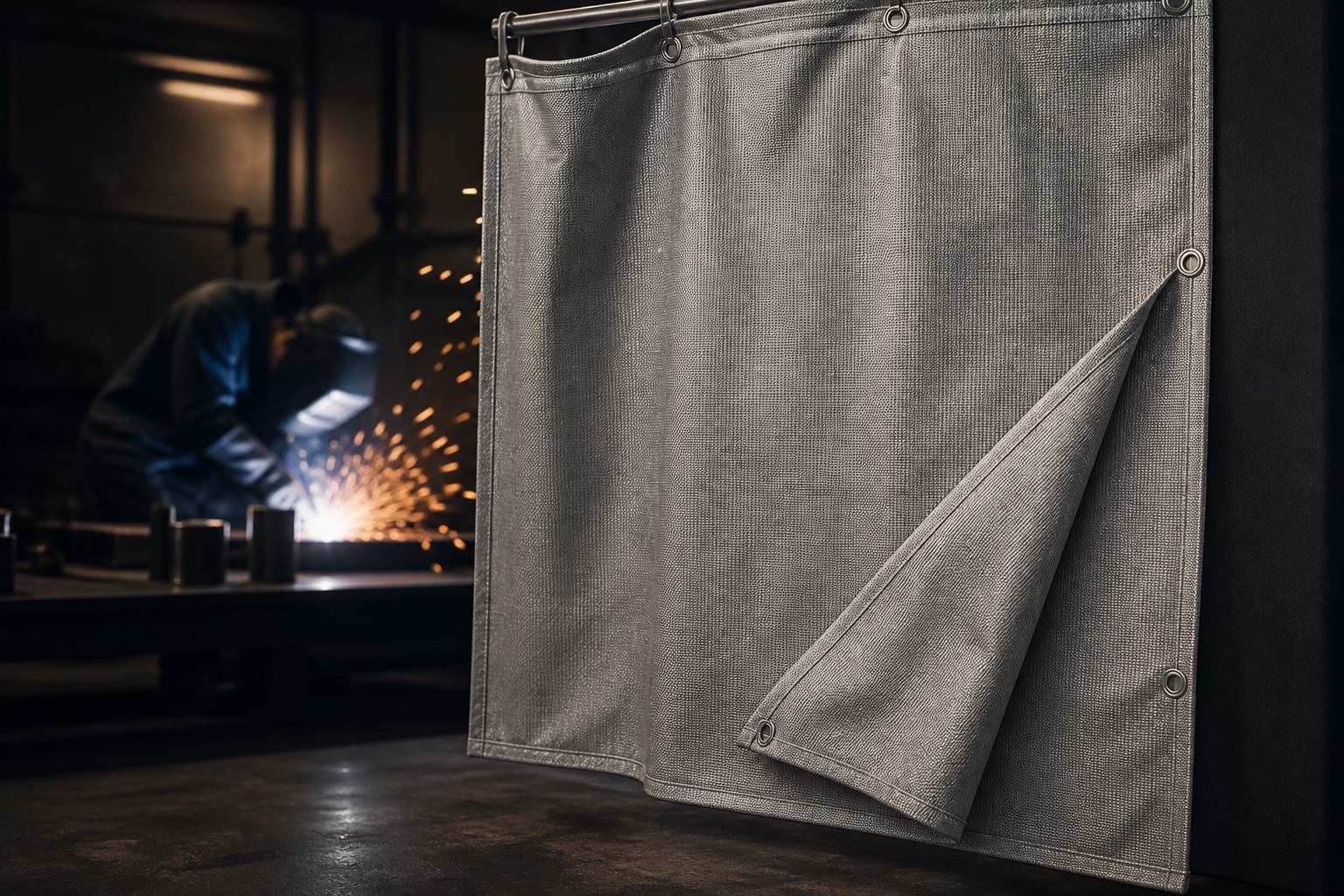
Removable insulation coversGaskets and sealsDust filtrationWelding curtainsComposite coating substrates

PURCHASING & SPECIFICATION

Specify bulk, fit and handling together.

For bulked-yarn fabrics, weight alone does not describe how the material fits into an insulation assembly or behaves during fabrication.

Start with what you are buying for

Removable-cover manufacturers

Start with the layer position, equipment geometry and available clearance—not a blanket-level temperature claim.

Gasket & wrapping fabricators

Define compression, bend radius and edge control alongside the required textile construction.

Include in your RFQ

  1. 01

    Layer & installed space

    Describe hot-face, liner or other intended use, available thickness and whether the textile is compressed in service.

  2. 02

    Bulked-yarn construction

    Specify yarn and weave, weight, thickness and how thickness should be measured. Identify any required treatment.

  3. 03

    Converting behaviour

    Share cutting, sewing and wrapping requirements; agree checks for fraying, flexibility and fabric handling.

  4. 04

    Service & supply format

    Provide exposure duration, vibration or movement, roll dimensions, trial quantity and repeat-order needs.

Start with your specification

Need a fabric or blanket built around your market?

Send a drawing, target standard or current sample. Our team will propose a workable route and quotation.

Request a quote